The Vendor Accountability Crisis: Why HOA Communities Keep Paying for Work That Isn’t Done
Every month, the invoice arrives. The landscaper billed for twelve visits. The pool company billed for weekly chemical service. The irrigation contractor billed for quarterly inspections. The board approves it, the check goes out, and nobody goes to the property to confirm any of it happened.
That is not a cash flow problem. That is an accountability problem, and it is costing HOA communities millions of dollars every year across Metro Atlanta alone.
The issue is not that vendors are universally dishonest. Most are not. The issue is that without independent verification, vendors operate in an environment with no consequences for underperformance. If no one checks, corners get cut. If no one documents, nothing gets corrected. If no one holds the invoice, payment becomes completely disconnected from performance.
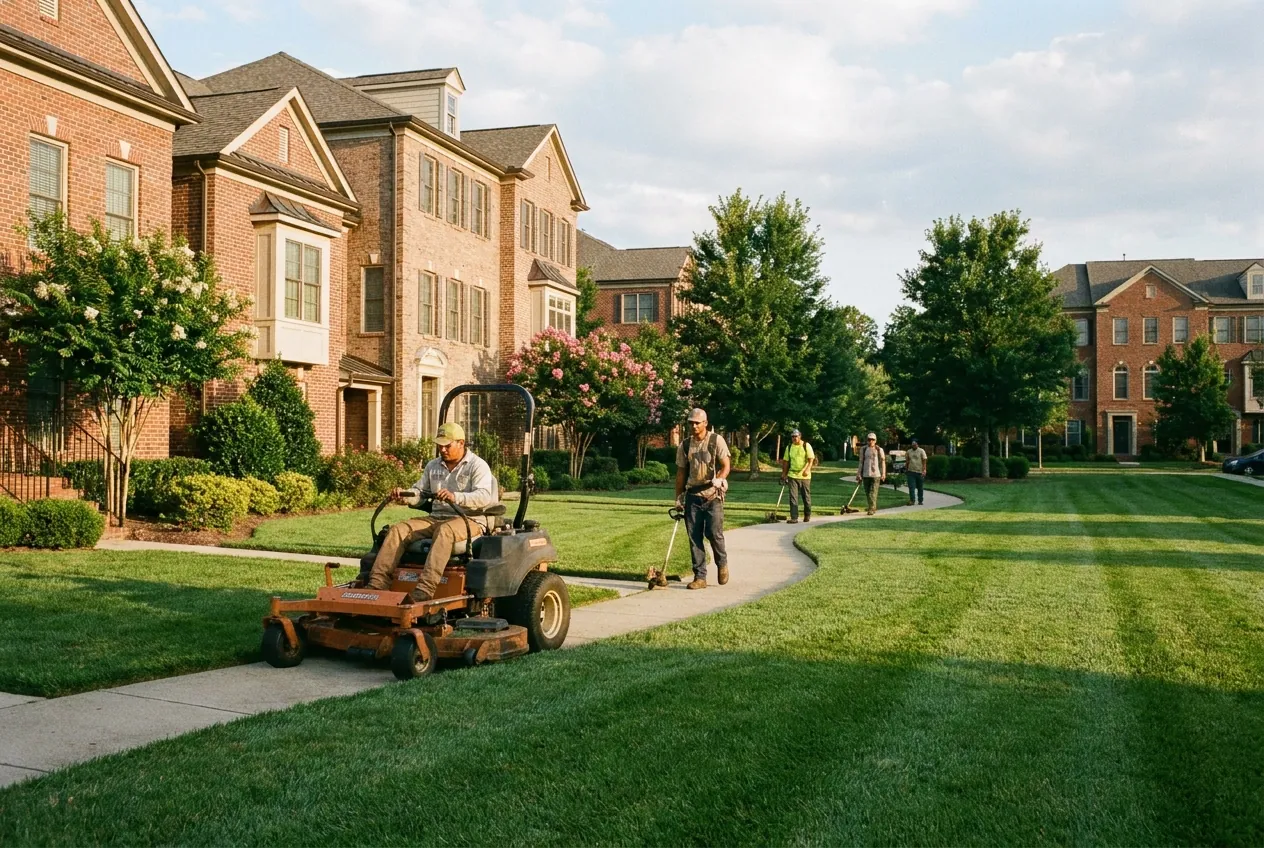
Think about what this looks like in practice. A landscaping crew skips the edging along Building C three visits in a row. It is a noticeable deficiency if you are walking that specific section of the property, but most board members are not doing monthly walkthrough inspections, and the community manager is responsible for a dozen other communities that same week. The crew marks the visit complete. The invoice gets paid. The edging stays undone. By month three, the residents are complaining, but nobody has documentation to take to the contractor, and the contractor knows it.
Or consider the irrigation contractor who bills for a quarterly inspection but schedules it during a week when no one is available to accompany them. They check in, walk the zones, fix one obvious head, and leave. Whether they actually tested all twenty-four zones, adjusted the schedule for seasonal changes, and documented system pressure is completely unknown, because no one was there to watch, and no one reviewed the work against the contract scope.
This is the pattern. Not dramatic fraud. Just incremental underperformance, month after month, compounding across every vendor line on the maintenance budget.
On a real construction project, this would never be allowed. A general contractor does not pay a subcontractor based on what the subcontractor reports. There is a superintendent. There is a site inspection. There is documented proof that the scope was completed before a dollar changes hands. HOA communities are running million-dollar maintenance programs with none of that infrastructure in place.
The accountability gap is not a vendor problem. It is a structural gap in how HOA maintenance is organized and overseen. Vendors are filling a vacuum: when no one is watching, human nature takes over, and work that takes more time and effort gets deferred or skipped.
CAP exists to close that gap. Independent site visits. Documented scope compliance. Safety checks. Payment authorization only after verification. The standard that should have always existed, now finally in place for the communities that choose it.