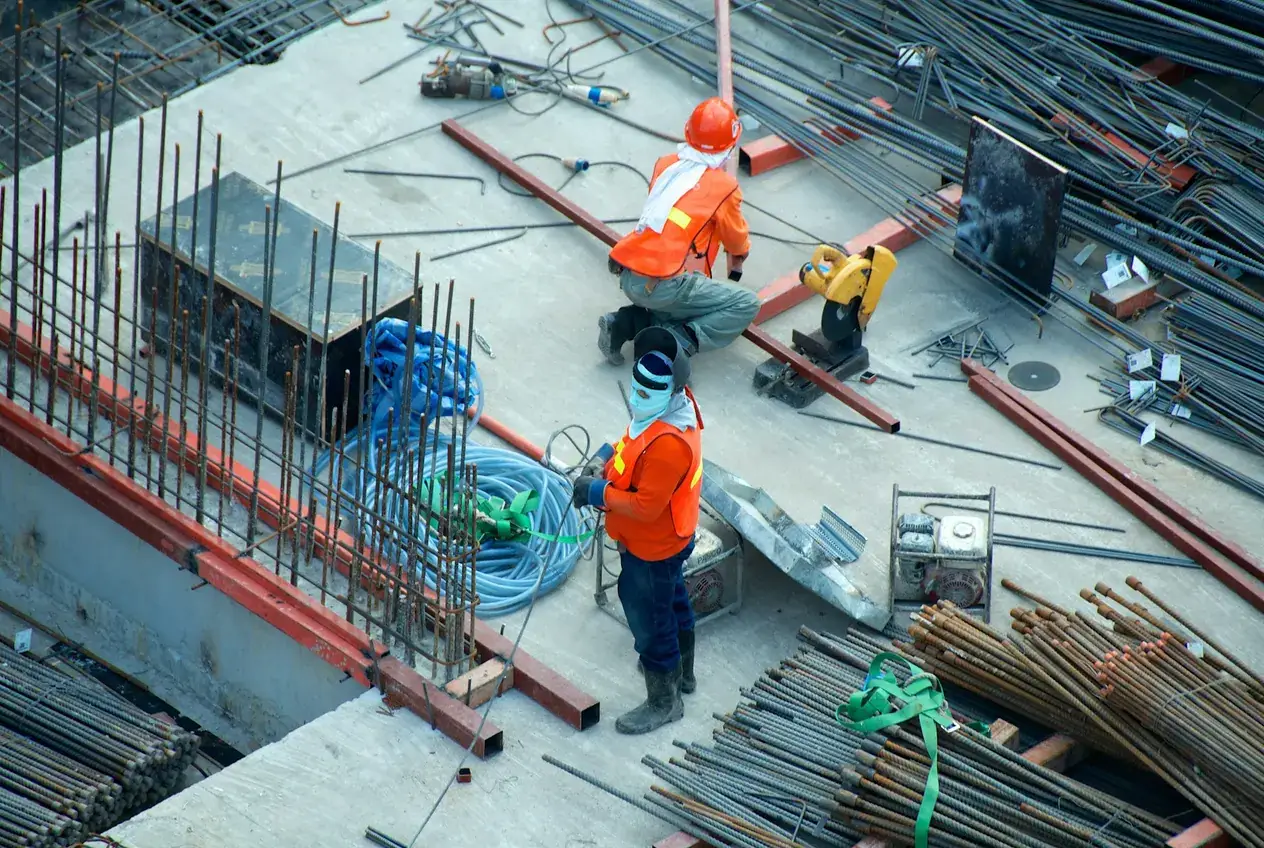
When a vendor creates a safety hazard on your property during a service visit, the likelihood that they will document it and report it to the board is close to zero. Not because they are malicious, but because no vendor has a financial incentive to draw attention to their own safety failures. Their incentive is to complete the job and get paid.
This means the missing traffic cones, the improperly staged equipment, the chemical containers left near a playground, the truck parked blocking the fire lane while the crew works the back section, these things get overlooked. The crew finishes the job. The visit gets logged. The invoice gets submitted. Nobody files a safety report.
The liability exposure for an HOA when a resident or visitor is injured due to vendor-created hazards is substantial. Personal injury claims against homeowners associations have increased significantly over the past decade as liability attorneys have become more sophisticated about pursuing associations as defendants alongside individual contractors. The legal question is not only whether the vendor created the hazard. It is whether the association knew or should have known about the hazard, and what steps the association took to address it.
This is where documentation becomes legally critical. An association that has independent oversight in place, that receives regular safety inspection reports, and that can demonstrate a documented pattern of identifying and escalating safety issues is in a fundamentally different legal position than one that cannot produce any evidence of oversight. The former demonstrates reasonable care. The latter demonstrates absence of oversight, which plaintiffs’ attorneys use to argue institutional negligence.
CAP’s safety compliance verification addresses this directly. Every site visit includes a structured review of vendor work zone setup: cones and barriers, PPE compliance for all crew members, equipment staging relative to pedestrian paths and parking areas, chemical handling and storage, traffic management during active work. Every safety finding is documented in the visit report. Any safety issue requiring immediate attention is escalated the same day, not held until the monthly report.
The goal is not paperwork for its own sake. The goal is to ensure that the community’s file demonstrates active, documented oversight of safety conditions on every vendor visit day. That documentation does not just protect the community legally. It changes how vendors set up their work zones, because they know someone is coming who will check.